
Understanding FFL Services: Essential for Safe Firearm Transactions
FFL Services are crucial for legally transferring firearms between individuals and dealers. They ensure compliance with federal regulations, protecting both buyers and sellers.
- Ensures legal compliance in firearm transactions.
- Facilitates smooth transfers between buyers and sellers.
- Protects your rights as a firearm owner.


Your Guide to Obtaining an FFL License
Navigating the FFL application process can be straightforward. Follow our step-by-step guide to ensure you meet all requirements.
Application Process
Understand the necessary forms and documentation needed for your FFL application.
Requirements Overview
Learn about the eligibility criteria to qualify for an FFL.
Understanding the Different Types of FFLs
Federal Firearms Licenses (FFLs) come in various types, each tailored to specific needs. Whether you’re a dealer, manufacturer, or collector, choosing the right FFL is crucial for compliance and success.
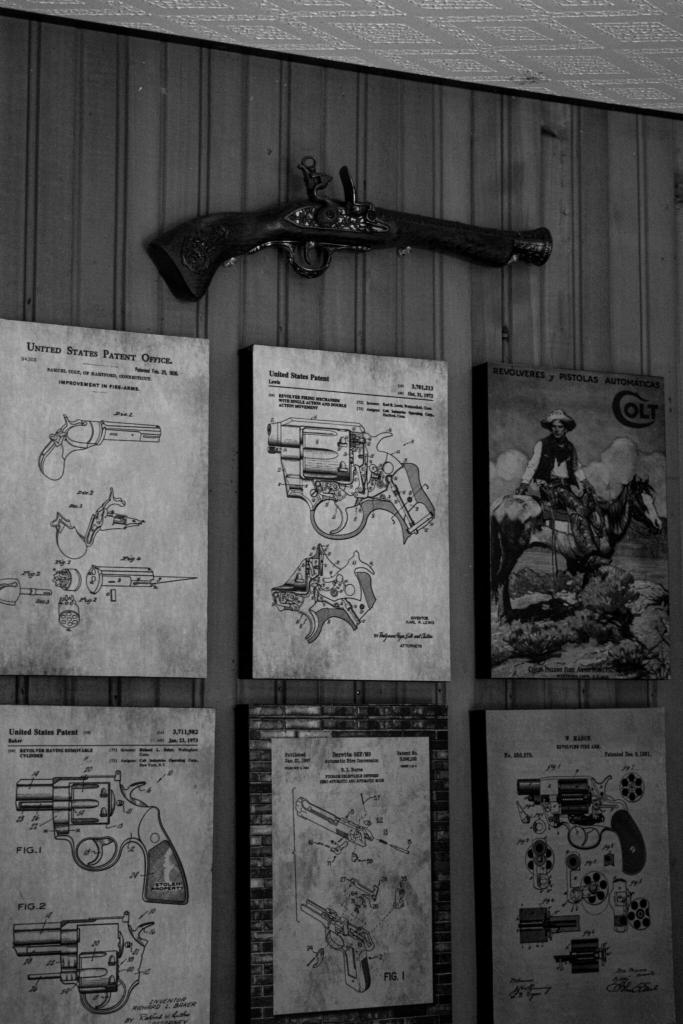
A firearm is a weapon that uses gunpowder or other propellants to launch a projectile. This includes handguns, rifles, and shotguns. Firearms are regulated by laws that vary by state.
To purchase a firearm, you must be of legal age and pass a background check. Visit a licensed dealer to begin the process. Ensure you have the necessary identification and documentation.
FFL transfers refer to the process of transferring a firearm between individuals through a Federal Firearms Licensee. This ensures that the transaction complies with federal and state laws. It’s essential for private sales and purchases.
Yes, firearms come with specific specifications such as caliber, weight, and barrel length. These details affect performance and suitability for different uses. Always check specifications before making a purchase.
Ownership laws vary significantly by state and can include restrictions on types of firearms. It’s crucial to understand your local laws to ensure compliance. Always stay informed about changes in legislation.
.png)
Resources
Stay Connected